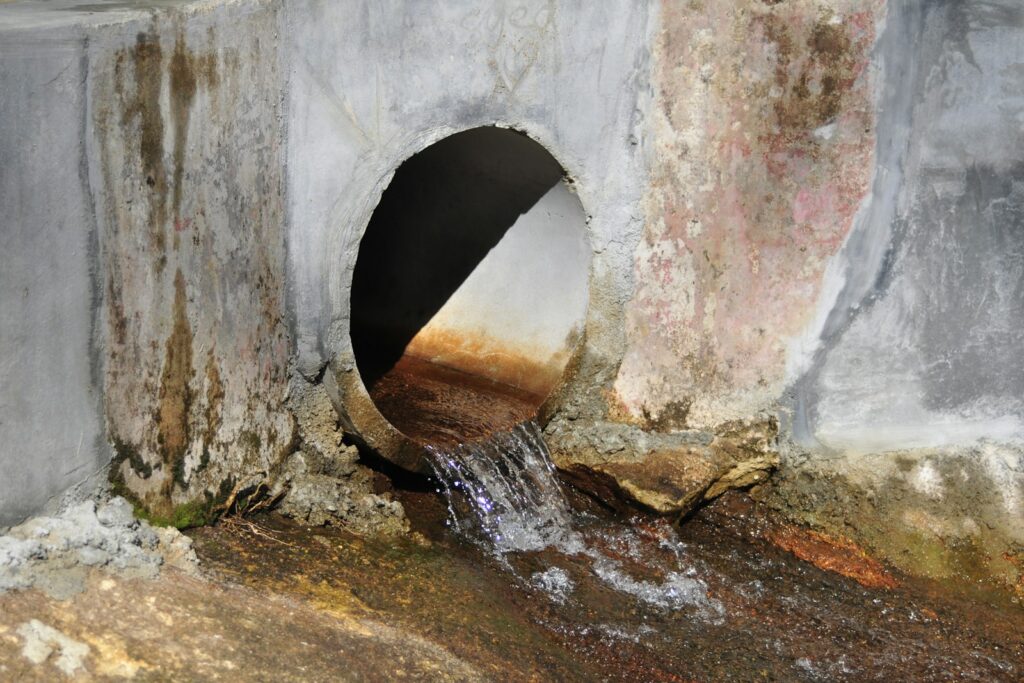
Water supply treatment turns raw water from rivers, lakes or wells into clean water for drinking, daily use and production. The treatment line depends on the source: surface water is usually turbid and carries microorganisms, while groundwater often contains iron, manganese and hardness.
Common problems in raw water
- Turbidity, suspended solids and color
- Iron, manganese and hardness in groundwater
- Bacteria, viruses and parasites
- Organic matter, ammonium and sometimes arsenic
Conventional treatment steps
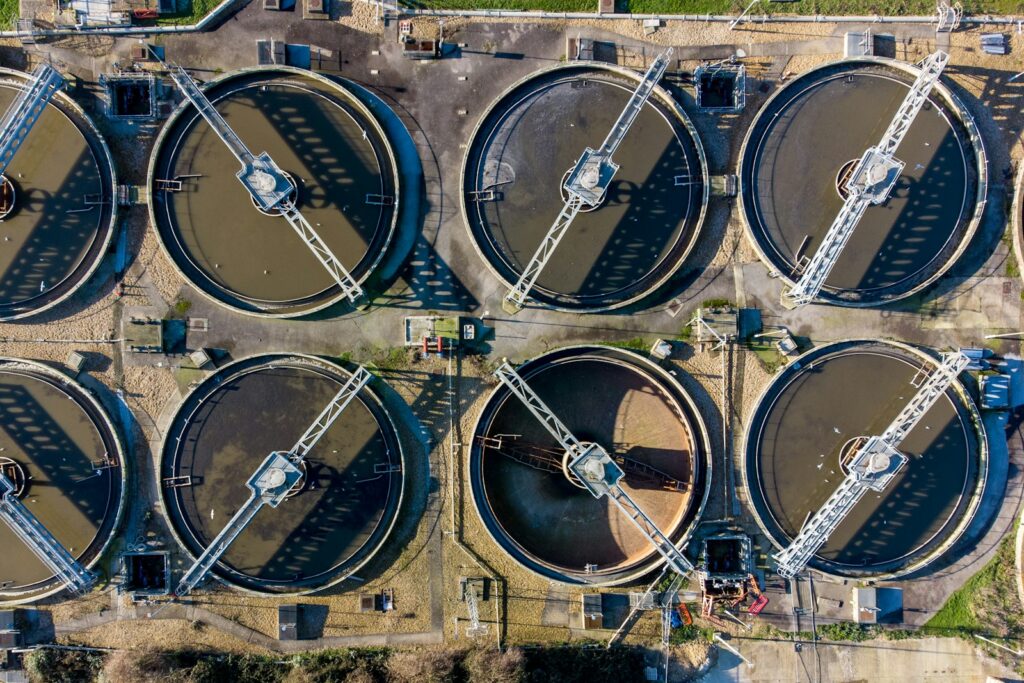
Aeration and oxidation convert dissolved iron and manganese into particles that can be filtered. Coagulation and flocculation use chemicals such as PAC to gather fine particles into larger flocs, which are removed in a settling tank. Sand or multimedia filters then remove the remaining particles, and disinfection with chlorine or UV kills microorganisms before the water is stored and distributed.
Adding membrane filtration
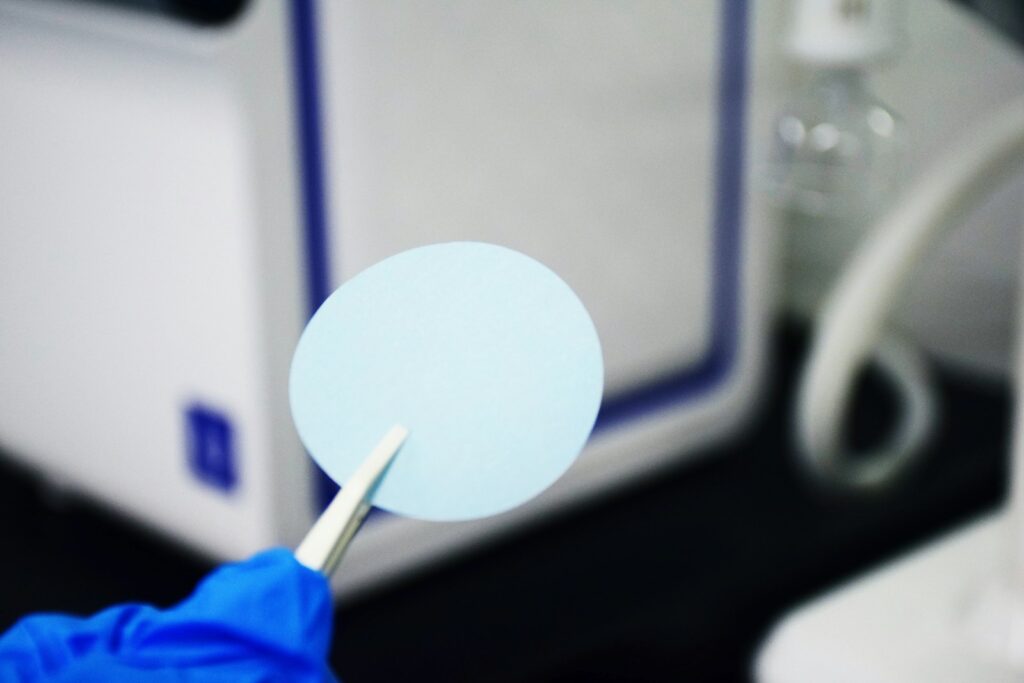
Ultrafiltration (UF) is increasingly used after or instead of conventional filtration. UF membranes are a physical barrier against bacteria, viruses and parasites, and give very low turbidity regardless of changes in raw water. When dissolved salts, hardness or arsenic must be removed, a reverse osmosis (RO) stage is added after cartridge filters.
Designing a reliable system
A good design starts with water analysis across seasons, because surface water quality changes a lot between the dry and rainy season. Equipment should be sized with a safety margin and include monitoring of turbidity, pH and residual chlorine. TIPA supports investors in choosing the treatment line, supplying filters, membranes and dosing equipment, and commissioning the plant.
Parameters to check in raw water
- Iron (Fe) and manganese (Mn)
- Silicic acid compounds
- Nitrogen compounds (ammonium, nitrite, nitrate)
- Sulphate and chloride
- Iodine and fluoride
- Dissolved gases such as H₂S and CO₂
- Microorganisms
How to choose the treatment technology
- Raw water: surface water, groundwater or well water, and how many parameters exceed the standard. When only one or two simple parameters exceed, a short line is enough; when many exceed, a full line with several stages is needed.
- Treatment efficiency: every parameter above the limit must be brought back within the standard.
- Footprint: modern equipment shortens the line and saves land and construction cost.
- Operation: the system must match the skills and resources of the owner.
Water demand
Plant capacity is calculated from the number of users and the water supply norm. Under Vietnamese standard TCXDVN 33:2006, large cities, tourist cities and large industrial parks use about 300 – 400 litres per person per day, including drinking, public works, irrigation and losses.