Treatment plants age, production grows and discharge standards become stricter. Renovation lets you solve these problems while reusing as much of the existing system as possible, which saves time and investment compared with building a new plant.
When renovation is needed
- Treated water no longer meets the required standard
- Wastewater flow or load has increased
- Equipment is worn out or spare parts are no longer available
- Operating costs for chemicals and energy are too high
- New regulations require additional treatment steps
Assessment of the existing plant
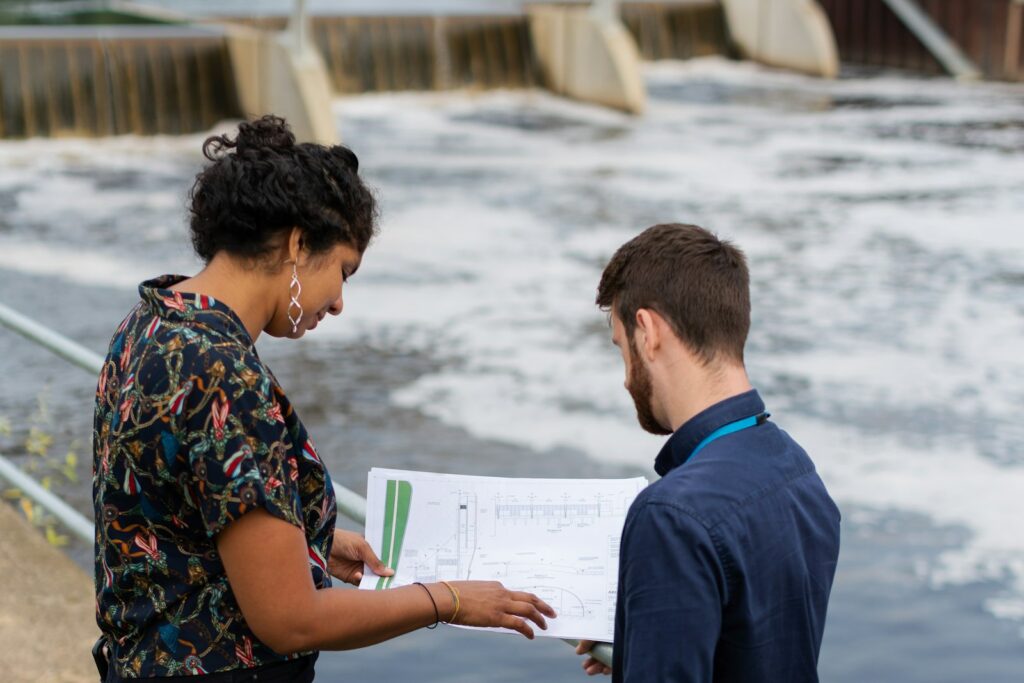
We start with a survey of the current system: water analysis at each stage, inspection of tanks and equipment, and a review of operating data. The assessment shows which parts still work well and where the bottlenecks are.
Renovation solutions
Depending on the findings, solutions may include replacing worn equipment, adding a treatment stage, converting to more efficient technology such as MBR or membrane filtration, or upgrading automation. We design the work so that the plant can keep operating during construction wherever possible.
Repair services
For sudden failures, TIPA repairs or replaces pumps, blowers, valves, membranes and control equipment. After repair, the system is tested again and the results are recorded before it is returned to normal operation.
Common problems in existing plants
- Microorganisms die off after a sudden increase in load
- Low biomass because of nutrient shortage
- Sludge turns black and settles poorly
- Slow nitrification because of anoxic conditions
- High suspended solids after the clarifier because flocs are too small
- Rusty, inefficient equipment due to missing maintenance
Typical renovation work
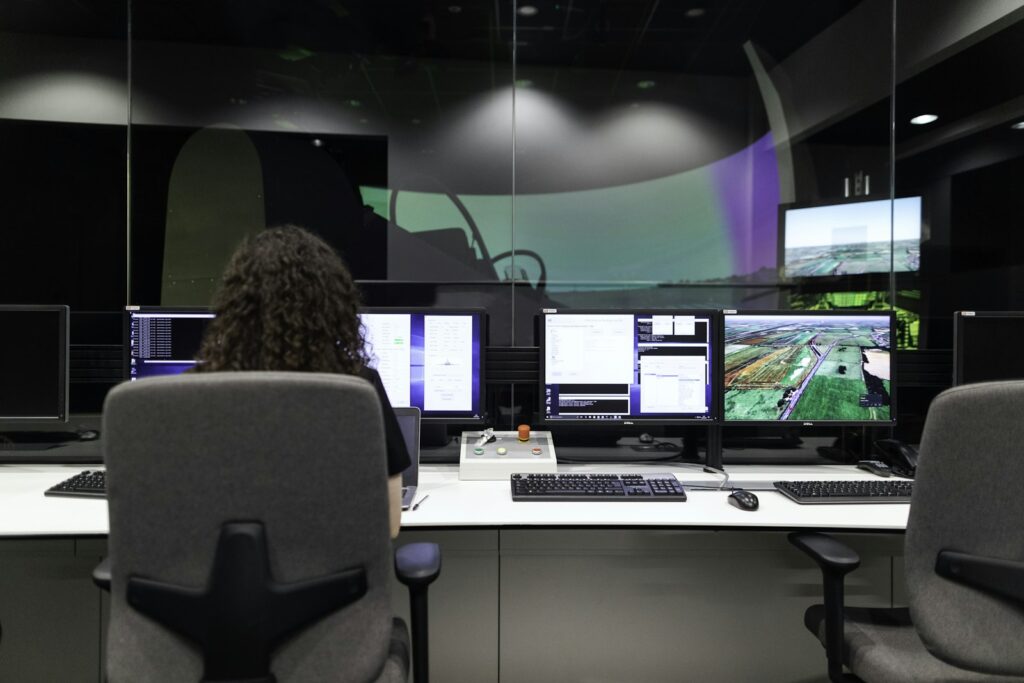
- Cleaning screens and checking for electrical leaks
- Re-arranging pipes and equipment for easier operation
- Removing unsuitable tanks and equipment such as old diffusers, blowers or dosing pumps
- Repairing and reinforcing tanks that can be reused, with new waterproofing and anti-corrosion coating
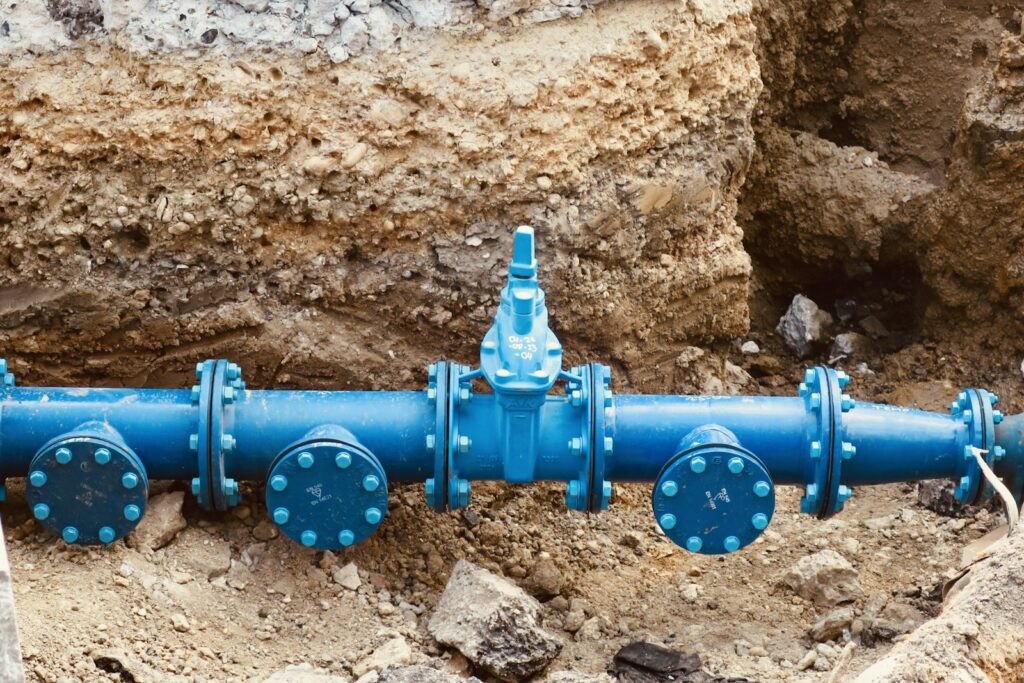
- Installing pumps, blowers, mixers, piping, valves, meters and control panels
- Seeding microorganisms and adding biological media or membranes such as MBR
Three ways to upgrade
- Retrofitting: replacing outdated or faulty components with durable, efficient equipment
- Conversion: changing to a more effective technology in the existing tanks
- Expansion: adding capacity or treatment stages for new production or stricter standards